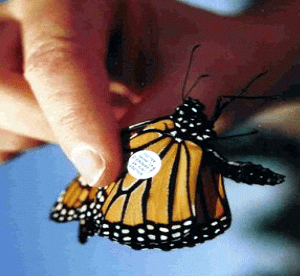
Monarch populations have decreased more than 80% since the early 1990s. This is due to habitat loss and insecticide use. They are one of the world’s most loved butterflies—not only for their beauty and grace, but for their astonishing ability to migrate more than 3,000 miles to overwinter in Mexico.
Summer generations of Monarchs live 3–5 weeks, and fall generations live up to 8 months. The migratory generation travels from southern Canada to central Mexico to survive the winter and return to the U.S. to lay eggs on milkweed. In most migratory species, members of one generation complete the yearly migration. Monarchs perform a generational migration with different generations responsible for different legs of the trip. They arrive at the wintering ground en masse and can reach densities of four million butterflies per acre.
Supporting Monarch Butterflies
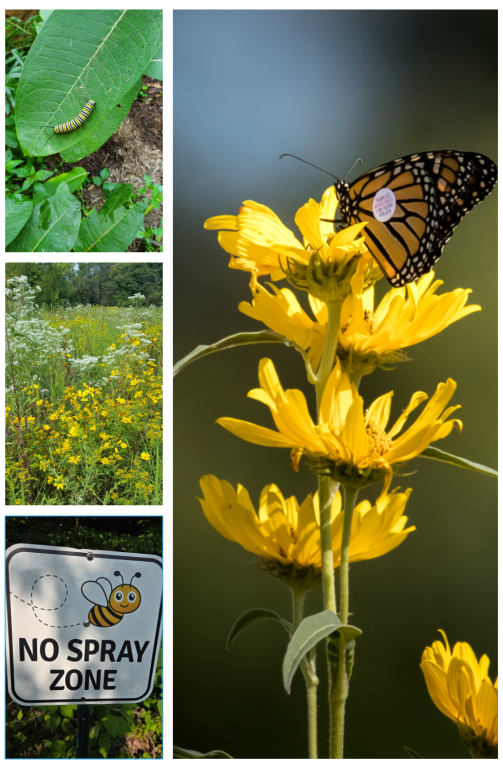
Chesapeake Wildlife Heritage is establishing habitat for Monarchs and a wide variety of native wildlife. Since 1980, we have been restoring wetlands, planting native meadows, and managing land without insecticides. These proven practices create safe, nourishing spaces for Monarchs to breed, feed, and migrate.
Tagging & Tracking Monarchs
In 1999, we began tagging migrating Monarchs and have been keeping data on population trends as part of a larger study conducted by the University of Kansas. We have had three of our tagged Monarchs, from Barnstable Hill Farm in Chester, MD, reach Mexico. The decline of Monarch populations hints at extinction in parts of the Monarch range.
Milkweed Matters
The Monarch host plant is Milkweed, Asclepias species. The Monarch caterpillar can only survive eating milkweed leaves.
There are several native milkweeds on the Eastern Shore. The most common milkweeds are:
* Common Milkweed (Asclepias syriaca),
* Swamp milkweed (Asclepias incarnata)
* Butterfly weed (Asclepias tuberosa)
Avoid planting non-native plants, like tropical milkweed, which can be harmful to monarchs. It causes illness from a parasite called Ophryocystis elektroscirrha (OE) and disrupts their migration.
How You Can Help
Plant native flowering plants in early spring to late fall that will provide nectar throughout the season and keep the Monarchs fed for migration. This is very important for adult Monarchs. Consider planting a native meadow or butterfly garden away from areas treated with insecticides.
Also remember that all wildlife needs the food and cover that unmown meadows provide to survive. Mowing meadows during the growing season jeopardizes Monarchs and a host of other wildlife, so delay your mowing until at least Thanksgiving. Mowing before a hard frost destroys blooms and deprives a diversity of bees and butterflies—such as migrating Monarchs—of the pollen and nectar they need to complete their lifecycle.
By providing a little habitat for Monarchs on your property, you can help these amazing creatures complete their miraculous journey.